Tarrant County voters weigh House control, new maps, and Senate race
With polls open from 7 a.m. To 7 p.m., residents in Fort Worth and Arlington decide the fate of all 435 House seats and key state offices.
By Jenna Mitchell ·
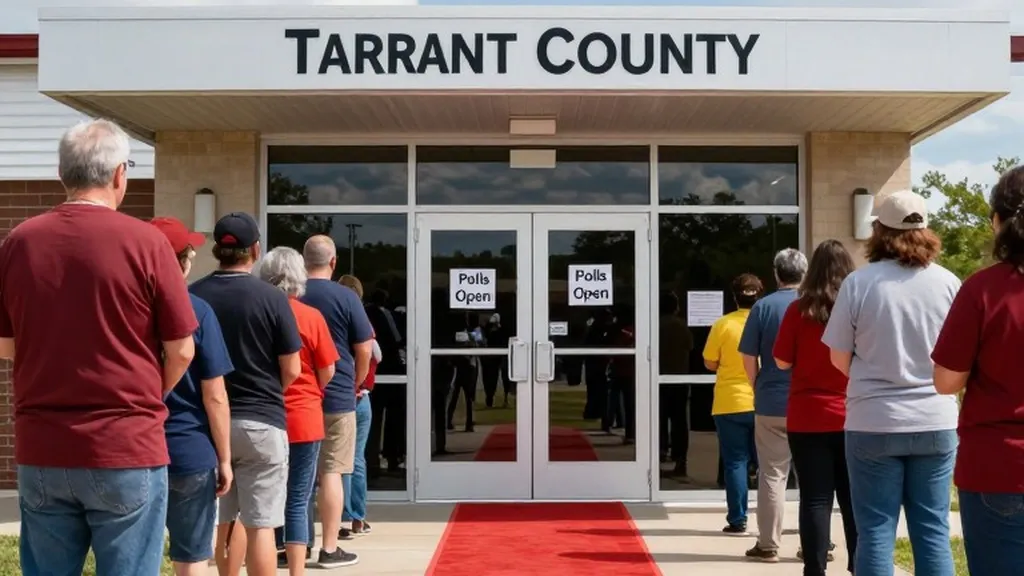
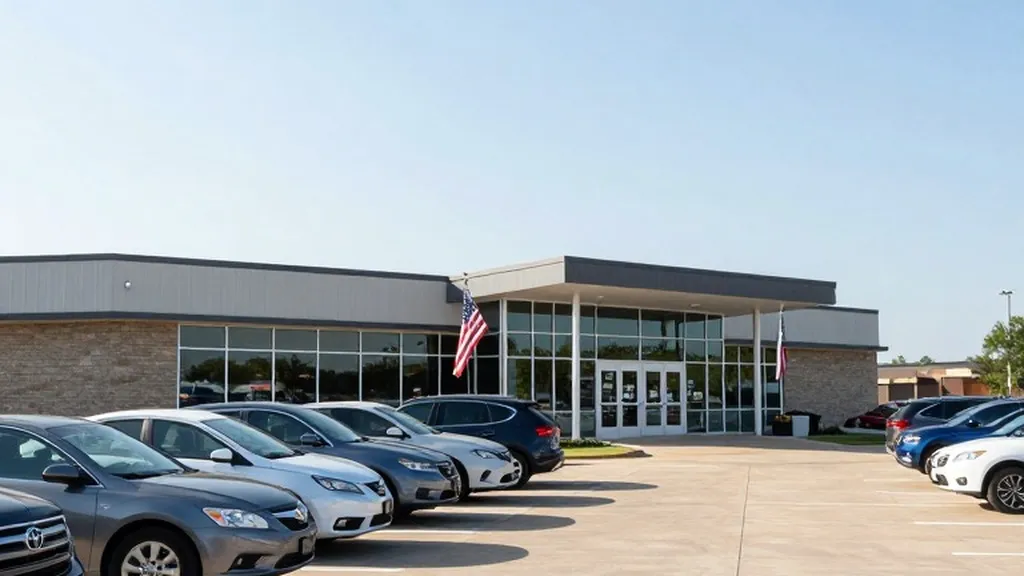
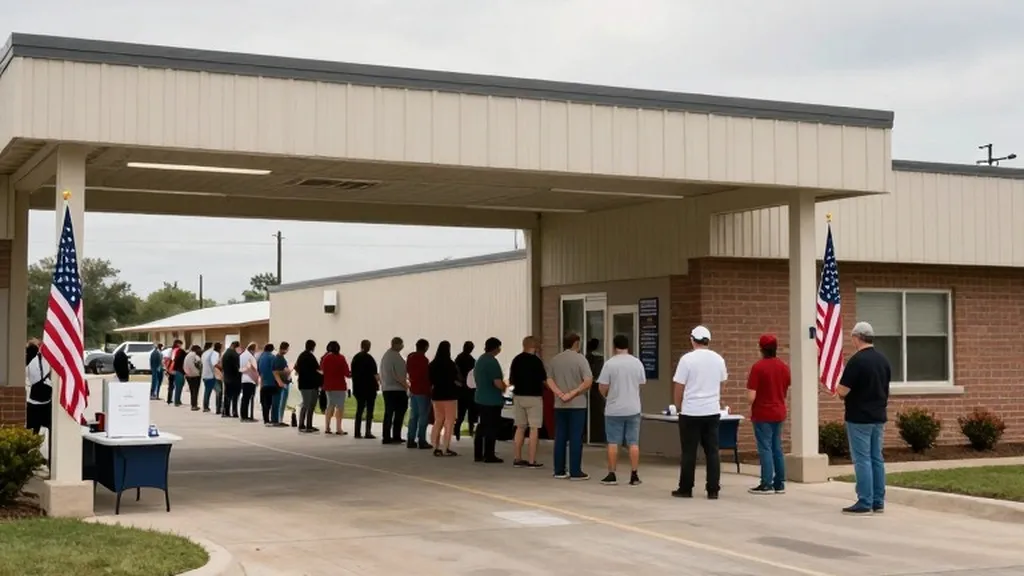
Polling places across Tarrant County opened at 7 a.m. On Tuesday, November 3, 2026, for the midterm election. Residents in Fort Worth, Arlington, Irving, Grand Prairie, Mansfield, and Flower Mound are voting until 7 p.m. Local time. Anyone in line when polls close is entitled to vote. The state is divided between the Central and Mountain time zones, but the uniform hours apply to the county's major municipalities. Voters can find their specific polling location at vote.gov or their state election office. ID rules vary by state, so citizens were advised to check local requirements before heading to the polls.
In Texas, voters are deciding the U.S. Senate seat, which is open with no incumbent running. The parties on the ballot include the Democratic, Independent, Libertarian, and Republican parties. Governor Greg Abbott, a Republican, is running for re-election. Every U.S. House seat in the state is on the ballot, along with state and local offices. The Associated Press describes the election as a referendum on President Donald Trump's second term. Voters are reportedly struggling with high prices and are angry over an unpopular war with Iran. A federal judge temporarily barred the Trump administration from carrying out a plan to prevent noncitizen voting on Monday. This legal move has raised concerns about disenfranchising eligible voters and infringing on states' authority over elections.
Locally, the outcome in Tarrant County will contribute to the national fight for control of the U.S. House of Representatives. All 435 seats are up for election. Republicans currently hold 218 seats, Democrats hold 214, and one independent seat exists. Democrats need a net gain of three districts to secure a majority. Republicans can afford to lose no more than two seats to maintain control. This three-seat margin makes the election particularly tight. Sixty House incumbents did not run again, including 23 Democrats and 37 Republicans. This turnover creates opportunities for challengers in various districts across the country.
Ballotpedia identifies 46 battleground districts in the House race. Of these, 25 are currently held by Democrats and 21 by Republicans. The new congressional maps in seven states, including Texas, are a factor in this contest. California, Florida, Missouri, North Carolina, Tennessee, and Ohio also use new maps. In 2024, 21 Democratic-held districts voted for Trump, while nine Republican-held districts voted for Kamala Harris. This shift in voter alignment adds complexity to the prediction models. The Associated Press notes that Republicans were bracing to lose the House and fighting to hold the Senate. One or two seats could tip either chamber, making every vote in Tarrant County significant.
The U.S. Senate race involves 35 of 100 seats. This includes 33 regular elections and two special elections for the rest of the terms held by Marco Rubio in Florida and JD Vance in Ohio. Republicans hold 53 seats, Democrats hold 45, and two independents caucus with Democrats. Democrats need a net gain of four seats for a majority. Republicans can lose only two seats to keep control. Eleven senators are not running again, including four Democrats and seven Republicans. Winners will begin six-year terms on January 3, 2027. In Texas, the Senate race is seen as competitive, with the state voting for Trump by a margin of 13.6 points in 2024.
Governorships are also up for grabs in 36 states. Heading into the election, Republicans hold 26 governor's offices and Democrats hold 24. Of the offices on the ballot, each party holds 18. Nineteen of the races have no incumbent on the ballot. This is due to term limits or choices not to run. Democrats would need a net gain of two governorships for a nationwide majority. Republicans have held a majority of governorships since 2010. The Associated Press calls the Texas governor race competitive. Incumbent Greg Abbott faces a challenge in a state that has shifted politically in recent years. The outcome will influence policy on issues such as energy, education, and infrastructure.
Nationally, 35% of U.S. Adults approve of Trump's job performance. Only 25% approve of his handling of the economy. About seven in 10 Americans say the country is heading in the wrong direction. Most blame Trump for high prices. More than 57 million people had already voted as of Monday, surpassing the early vote of four years ago in many closely watched states. The 2026 elections are likely to be the most expensive in history. Republican committees outraised and outspent Democratic committees, helped by Trump-affiliated groups and Elon Musk. However, at the candidate level, Democrats outraised their opponents. This spending disparity highlights the intense competition for key districts.
Trump held dozens of rallies, ending Sunday in Salina, Kansas. He urged voters to support his party, saying, "I really want you to pretend I'm on the ballot." His schedule included stops in Mississippi, South Carolina, and Texas. Many Republican candidates kept their distance from the president during the campaign. Trump has continued to make claims about voting fraud, including that noncitizens vote in large numbers. His administration sued in Alaska and California, and Democrats fear interference and intimidation as the Justice Department threatens to prosecute local election officials. The U.S. Postal Service added hours, staff, and special lines so mail ballots are counted on time. Wall Street is watching for results that could add to investor concerns about AI spending and debt ceiling negotiations.
RNC Chairman Joe Gruters stated, "Everything depends on turnout. If we turn out our voters, we win, and that's what we've been planning for." DCCC Chair Rep. Suzan DelBene said, "The American people are angry. They want change." Voter Mark Barker of Palm Beach Gardens, Florida, said, "I've just been following Trump the whole time. I really think he's doing an awesome job." Voter James Moore, 57, a librarian in Raleigh, North Carolina, said, "I'm paying more taxes. I'm paying more for my healthcare. I'm paying more for everything." These sentiments reflect the divided national mood as Tarrant County residents cast their ballots.