Tarrant County voters cast ballots in decisive 2026 midterm
Residents across Fort Worth and Arlington participated in a state and national election that reshaped the balance of power in Washington.
By Ethan Cooper ·
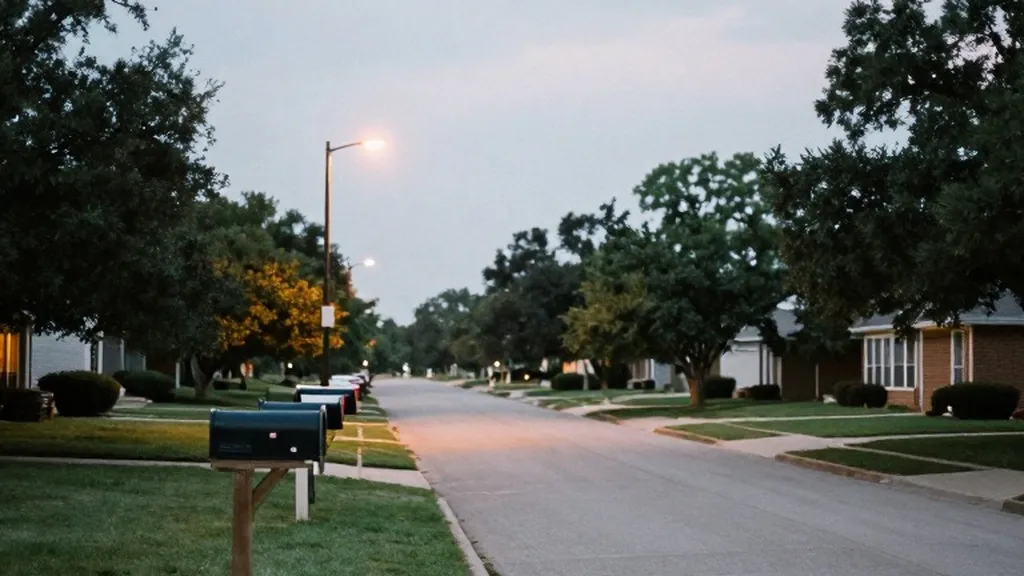
Voters in Tarrant County exercised their right to cast ballots on Tuesday, November 3, 2026, in a general election that determined the outcome of key state and federal races. Polling locations across the county, including those serving Fort Worth, Arlington, Irving, Grand Prairie, Mansfield, and Flower Mound, operated from 7 a.m. to 7 p.m. The Texas Department of State Health Services and local election officials coordinated to ensure that residents in both Central and Mountain time zones had equal access to the polls during the ten-hour voting window. Find your polling place information was widely available through the federal portal at vote.gov, helping residents navigate to their specific sites.
The ballot featured a comprehensive list of offices, including the Texas governorship, where incumbent Greg Abbott, a Republican, sought re-election. The state also faced an open U.S. Senate race with no incumbent running, featuring candidates from the Democratic, Independent, Libertarian, and Republican parties. Every U.S. House seat in the state was contested, alongside various state legislative and local offices that vary by county. Residents in Tarrant County also voted on state supreme court seats and intermediate appellate courts, reflecting the broad scope of the 2026 Texas election cycle.
Statewide, the election results confirmed a significant shift in political dynamics. According to Ballotpedia, the general election on November 3, 2026, marked a decisive moment for the Texas electorate. The state's participation in this cycle contributed to a national trend where Democrats secured majorities in both chambers of the U.S. Congress. This outcome was part of a broader pattern of seat changes that defined the 2026 midterm elections, impacting how state interests would be represented in federal legislation in the coming years.
Nationally, the results indicated a wave election that placed the 2026 vote among the top 20% of election years in terms of seat swings against the president’s party. Democrats picked up at least seven U.S. Senate seats, all previously held by Republicans, giving them a 54-44 majority in the chamber. In the U.S. House, Democrats gained at least 43 seats, resulting in a 250-157 majority as of the latest reports on November 6. This net loss of seats for Republicans was substantial, though it fell just short of the 48-seat threshold traditionally used to define a wave election for the House.
The shift in power extended to state governments across the country. Democrats won a majority of governorships for the first time since before the 2010 elections, with 22 wins compared to 12 for Republicans. This change in state leadership was accompanied by a shift in legislative control, with Democrats securing 46 of the 88 state legislative chambers on the ballot. The results demonstrated a widespread preference for the Democratic party among voters in many regions, including parts of Texas where local and state races were closely watched by national media.
In the national political landscape, the election results set the stage for new dynamics in Congress. The Democratic majorities in both the House and Senate provided the party with greater leverage to pursue its legislative agenda. This included the potential to use oversight and appropriations powers to check the executive branch. The new Congress was expected to focus on issues that resonated with voters, including economic concerns and federal spending, as it prepared to take office in January.
For Tarrant County residents, the election results had immediate implications for local and state representation. The outcome of the state legislative races would determine the composition of the Texas House and Senate, influencing policies on education, infrastructure, and public safety. The county’s diverse population, spanning from the urban centers of Fort Worth and Arlington to the suburban communities of Flower Mound and Mansfield, provided a microcosm of the state’s political trends. The high turnout and clear results in many districts underscored the importance of local engagement in the broader political process.
The 2026 election also highlighted the role of independent and third-party candidates in the state. The presence of Independent and Libertarian parties on the ballot for the U.S. Senate and governor races offered voters additional options beyond the two major parties. While the Republican and Democratic candidates dominated the headlines, the participation of other parties reflected the evolving nature of Texas politics. The open Senate seat, in particular, attracted national attention, with candidates from various backgrounds campaigning for the support of Tarrant County voters.
As the results were tallied, the focus shifted to the implications for the next two years of federal and state governance. The Democratic control of Congress would likely lead to increased scrutiny of the executive branch, with potential investigations and legislative initiatives on the horizon. For Texas, the outcome of the governor’s race would shape the state’s approach to key issues, including energy, education, and economic development. The election served as a referendum on the current administration and the direction of the state’s future.
The conclusion of the 2026 general election marked a significant chapter in Tarrant County’s political history. The participation of residents across the county’s towns ensured that local voices were heard in the national debate. The results, compiled by Ballotpedia and other sources, provided a clear picture of the electorate’s preferences, setting the stage for the next phase of governance. As the new Congress and state legislature prepare to convene, the decisions made in Tarrant County will continue to influence the policies that affect the daily lives of its residents.
Voters in Tarrant County have completed their civic duty, with the results of the 2026 general election now reflecting a decisive shift in power at the federal and state levels. The election served as a critical test of political priorities, with Democrats gaining control of Congress and a majority of governorships. For the communities of Fort Worth, Arlington, Irving, Grand Prairie, Mansfield, and Flower Mound, the outcome represents a new beginning in the political process, with the potential for significant changes in policy and representation in the coming years.