Sudanese teachers strike for third week as salaries hit $13.20
Educators in Khartoum State are demanding a minimum wage increase to 500,000 pounds and unpaid allowances amid ongoing war damage to schools.
By Jenna Mitchell ·
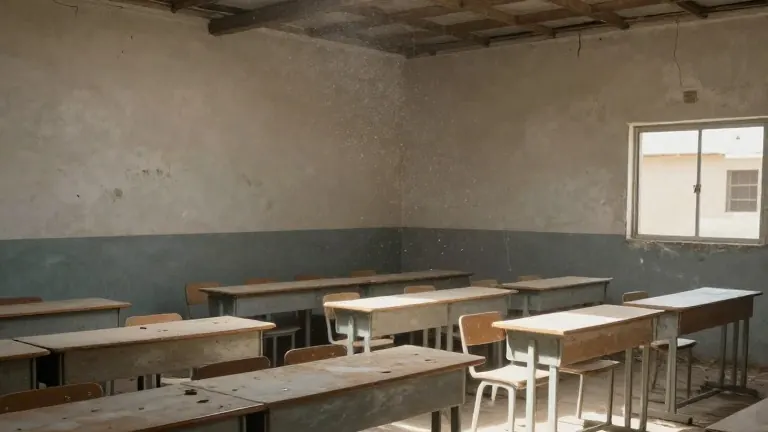
Classrooms in Khartoum State, Sudan, have remained empty for three weeks as teachers continue strike action. The industrial dispute centers on salaries that educators say no longer cover basic survival costs and school infrastructure that has deteriorated during the conflict.
The strike began after educators exhausted official channels. The Sudanese Teachers' Committee submitted memorandums to the Ministry of Education, the Ministry of Finance, and the presidential palace, but received no satisfactory response. Spokesperson Sami al-Baqir described the walkout as a last resort.
Financial strain drives much of the unrest. Amal Suleiman Ahmed al-Haj, a secondary school teacher with 26 years of experience, earns 132,000 Sudanese pounds monthly, approximately $13.20. A single cooking gas cylinder costs 170,000 pounds, or $17, which exceeds her entire monthly income. Al-Haj noted that many teachers take evening jobs to supplement their pay.
The union is demanding a minimum wage increase from 12,000 to 500,000 Sudanese pounds, based on cost-of-living studies for a family of five. Teachers also seek implementation of three cabinet decisions issued over seven months ago, including a 90,000-pound meal allowance, a new housing allowance, and a 130,000-pound disparity reduction allowance.
Prime Minister Kamil Idris ordered the payment of outstanding funds to teachers across all states during a recent meeting with union leaders. However, the government has not provided a detailed payment schedule or addressed broader salary demands. Al-Baqir stated that government efforts to undermine the strike, such as relaxing attendance controls and issuing partial payments, have reduced participation levels.
The war between the Sudanese army and the Rapid Support Forces, which began in April 2023, has damaged the education sector. The United Nations documented 67 attacks on schools since 2024 and more than 150 reports of armed groups commandeering facilities. UNESCO data indicates that approximately 30 percent of Sudan's schools are damaged or closed, with at least 8 million children currently out of school.
Al-Baqir warned that public education risks being phased out if the government continues to disregard teacher rights. He suggested that the current situation signals to parents that private education is becoming the only viable option for those who can afford it.