Zelenskyy: Russia Rotates Heavy Troops in Kherson Under Humanitarian Cover
The president stated that Russian forces moved substantial equipment into Oleshky while masking the operation as a humanitarian mission.
By Luis Medina ·
The war in Ukraine continues to strain defenses across multiple fronts, from the southern riverbanks to the eastern border regions. On November 8, 2026, President Volodymyr Zelenskyy detailed a complex military maneuver by Russian forces in Kherson Oblast.
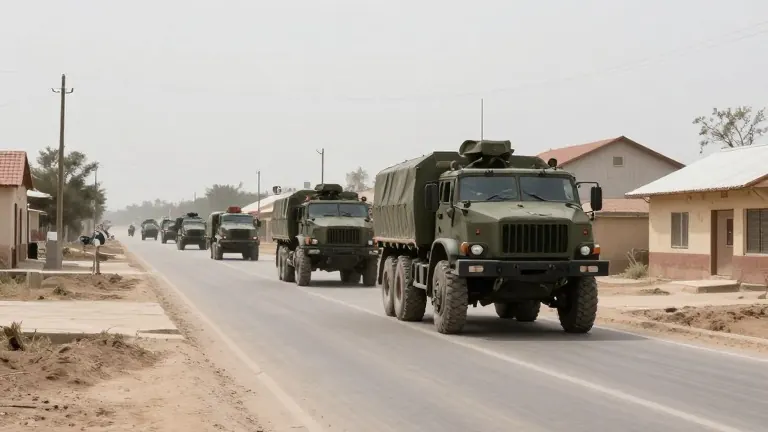
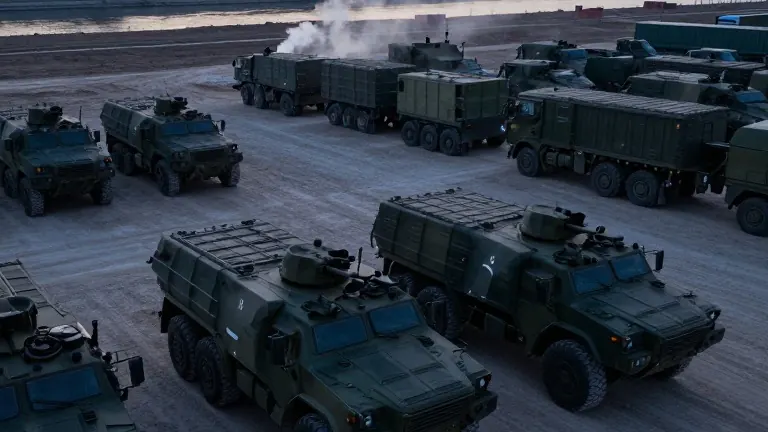
Zelenskyy reported that Russian units executed a major rotation of personnel and heavy equipment in the town of Oleshky. The president stated that these movements occurred on the left bank of the Dnipro River. Russian commanders used the cover of a humanitarian operation to shift resources without immediate detection.
The president described the maneuver as a substantial logistical event rather than a minor adjustment. He noted that the Russian army deployed additional occupation troops into Oleshky and the surrounding administrative community, known locally as a hromada. This strategic move allowed Moscow to reinforce its position in the area while maintaining a veneer of civilian aid.
Following a meeting with heads of regional administrations, Zelenskyy directed Ukraine's military leadership to act on these developments. He ordered specific proposals to improve the protection of residents in Kherson from Russian attacks. These recommendations aim to address vulnerabilities exposed by the recent troop movements and strengthen local defenses against future strikes.
The administration also reviewed operational status in other oblasts during the same session. In Sumy Oblast, Ukrainian forces received specific tasks to counter ongoing Russian operations. The objective is to stabilize front lines and prevent further enemy advances in this border region. These efforts focus on maintaining the integrity of the defensive perimeter in the northeast.
Attention turned to winter preparations for critical infrastructure, particularly in Kharkiv Oblast. Officials discussed measures to ensure heating and power systems can withstand the coming cold season despite active combat. The goal is to prevent systemic failures that could disrupt civilian life and industrial output during the winter months.
The meeting covered efforts to restore electricity in Dnipropetrovsk Oblast, where recent Russian strikes damaged key power facilities. Officials viewed rapid restoration as vital for maintaining civilian stability. The Ministry of Energy also received a mandate to address issues identified in the power system of Zhytomyr Oblast. These actions reflect a priority on maintaining essential services across multiple regions.
Zelenskyy reported that Russian forces have intensified attacks on Kramatorsk and the surrounding community. Countermeasures are currently being developed to mitigate the impact of this increased bombardment. These actions are expected to be finalized at an upcoming meeting of the Supreme Commander-in-Chief's Staff. The planned response aims to protect both military positions and civilian areas in the east.
The president reflected on the tactical implications of recent events in Oleshky. He noted that the experience of a local ceasefire demonstrated that a truce can be established rapidly. Zelenskyy stated that such a pause in fighting does not require lengthy preparations, the withdrawal of weapons, or the creation of buffer zones. This observation suggests that tactical pauses can serve as a flexible tool in the ongoing conflict.