Oxford Street Traffic Closure Diverts Buses to Side Roads
A temporary bollard system has removed vehicles from the 1.2-mile stretch between Oxford Circus and Marble Arch, prompting Transport for London to reroute double-decker services onto adjacent streets.
By Grace Sullivan ·
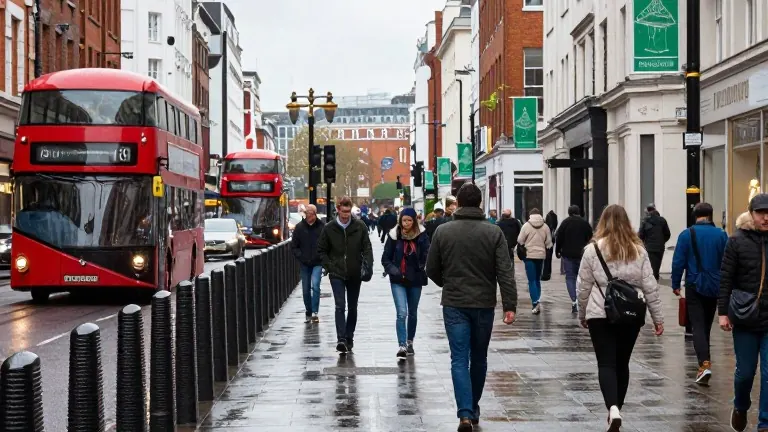
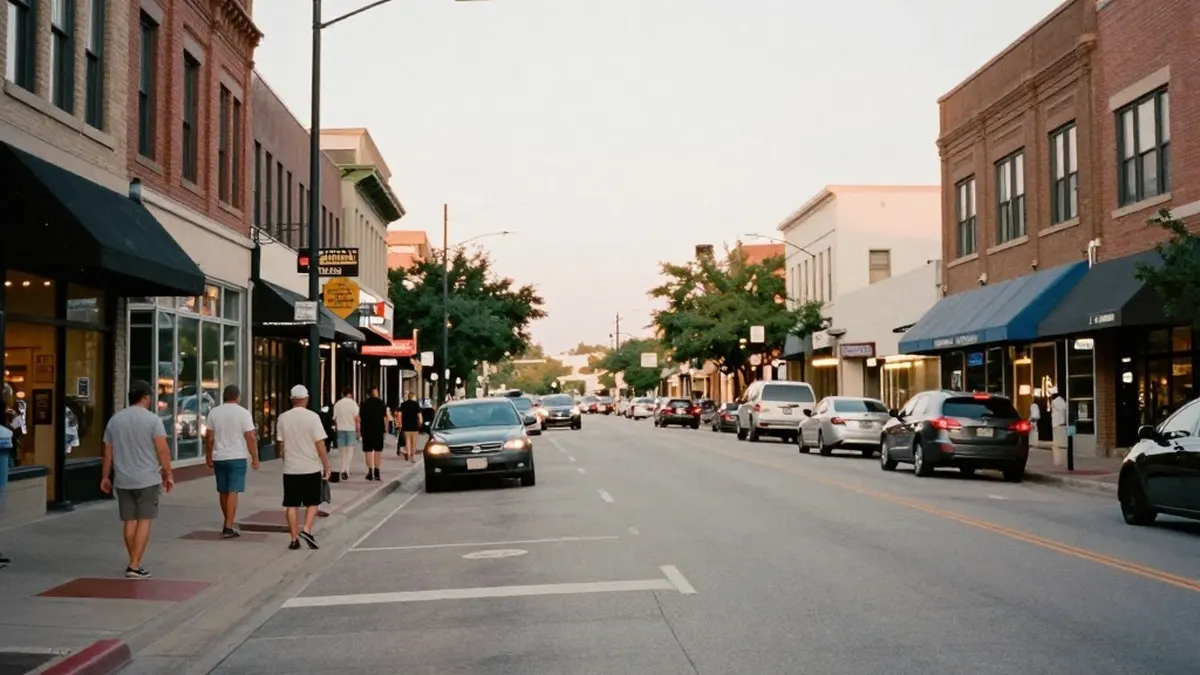
Vehicles have been removed from the 1.2-mile stretch of Oxford Street between Oxford Circus and Marble Arch, forcing London's double-decker buses onto neighboring roads. The closure took effect on Monday, 2026-10-27, clearing the street of private cars, taxis, e-scooters, pedicabs, and cyclists. This first phase of the project precedes a permanent redesign planned for spring 2027. The immediate change alters traffic flow for the holiday season, shifting congestion to side streets.
The pedestrianization followed decades of planning discussions. London Mayor Sadiq Khan announced the closure in a speech at John Lewis on the morning of the rollout. He described the day as a turning point for the capital's most famous shopping corridor. Khan noted that his first jobs were in retail stores on this specific street. He stated that the project aims to link better public transport links with increased greenery and seating to improve the overall customer experience. The mayor positioned the temporary bollards as a test to prove that investing in people rather than traffic leads to higher footfall and spending.
The permanent infrastructure work is scheduled to begin in spring 2027. This long-term plan involves a 150 million pound investment. The project includes the installation of trees, additional seating, and level plazas designed for public events. The current bollard system serves as a proof of concept for this larger transformation. Transport for London is monitoring the first phase to gather data on how the changes affect shoppers and commuters before the permanent structures are built.
Transport for London chief operating officer Claire Mann addressed the operational shift on the road network. She stated that the bus rerouting maintains plenty of capacity for passengers and should not affect reliability. Mann noted that the Elizabeth Line and Bond Street offer alternative arrival options. However, she acknowledged that the authority is monitoring ridership to see if the changes have an impact. The diversion of many double-decker buses onto surrounding roads has created immediate traffic adjustments in the West End.
Local businesses and shoppers reported mixed initial reactions. Daniel Te, a former city planner who moved to London from the US in July, said the extra space makes him more inclined to visit the street. He previously avoided the area because it was too busy. Te described the pedestrianization as a significant achievement and suggested that neighboring streets should follow suit. He noted that while bus rerouting might make some journeys less convenient, he considered it a small price to pay. Raquel Cox, a visitor from Ireland, said the change offers a better shopping experience despite potential traffic issues on surrounding streets.
Abbas Shigival, who operates a souvenir kiosk at the start of the pedestrianized zone, observed a slightly busier morning than usual. He described the environment as more pleasant because people can walk around freely. He indicated that it will take time to determine the full impact on his business sales. Khan echoed this sentiment, claiming the street had been in decline over the last couple of decades. He argued that removing traffic would help reverse that trend.
Not all stakeholders view the change positively. Ben McMullan, a taxi driver, reported that traffic is definitely worse on the surrounding streets. He cited accessibility as a major issue, noting that he had to drop off customers with mobility challenges further away than usual. McMullan feared the change would negatively impact his business as passengers realize they cannot get direct access to destinations. Jack, a cyclist commuting home from a construction job, said he will continue riding down the street despite being stopped by security guards. He argued that the alternative route makes his commute longer and that the change makes it harder for people to use vehicles.
The closure covers roughly half of the total 1.2-mile street length. The temporary bollards are positioned to allow pedestrians to walk freely onto the tarmac. A green welcome banner marks the entrance to the zone. The project is designed to be closely monitored to ensure it works for everyone. The permanent plans will depend on the feedback gathered during this first testing phase. The street remains open to foot traffic for the busy Christmas shopping period.
Source: The Guardian