Netanyahu Faces Opposition in Knesset Election as Polls Open
Voters head to the polls on Tuesday to decide the next government, with exit polls expected at 10:00 p.m. and official results following in the coming days.
By Luis Medina ·
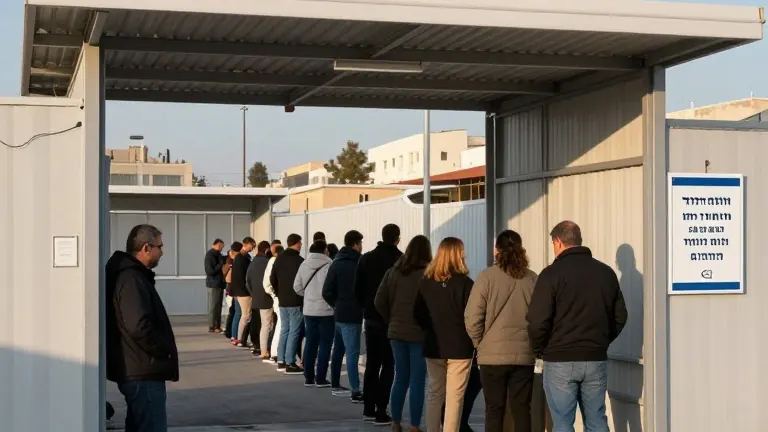
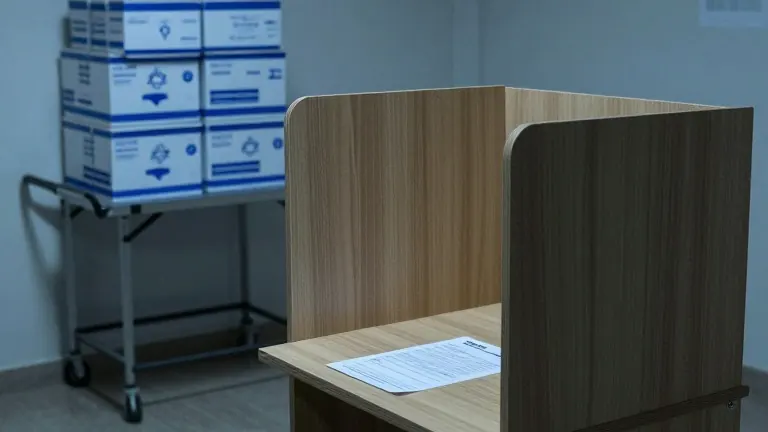
Prime Minister Benjamin Netanyahu and his coalition face the opposition bloc in Tuesday's election for the Israeli Knesset. Polling stations opened at 7:00 a.m. local time, allowing eligible citizens to vote for the next parliament. The contest pits the sitting government against a group of parties seeking to replace Netanyahu.
Voting abroad concluded on October 16 at Israeli diplomatic missions. Some military bases began casting ballots last week. This election is the first held since the October 7, 2023, Hamas attack. The political environment has shifted since the previous vote in 2022, with security and government accountability now central to the campaign.
Key issues include the Israel Defense Forces' manpower crisis after three years of war and the contentious draft legislation for ultra-Orthodox men. Voters are also weighing calls for a state commission to investigate government failures surrounding the October 7 attack. Traditional debates over a Palestinian state have moved to the background, as most parties agree against statehood.
The fate of Netanyahu, who has led Israel for 19 non-consecutive years, is a major factor. The opposition bloc argues he should be held accountable for the attacks and step down. Recent polls show Gadi Eisenkot's Yashar party leading ahead of Netanyahu's Likud in the opposition bloc. Neither side currently projects a clear path to the 61 seats required for a majority.
A Channel 12 poll released Friday projected that the opposition bloc would win 56 seats, while Netanyahu's bloc would secure 50 seats. Arab parties were projected to win a combined 16 seats. Most opposition leaders have pledged not to form a government with Arab parties. Netanyahu's Likud was projected to win 19 seats, down from the 32 it holds in the outgoing Knesset.
Eisenkot's Yashar party is projected to win 22 seats, the highest in the opposition. Former Prime Minister Naftali Bennett's B'Yachad party is projected to receive 14 seats. Voter turnout will determine the number of votes needed to cross the 3.25% electoral threshold. According to the Taub Center, a party needs 165,635 votes at a 70% turnout rate to enter the Knesset.
Smaller parties, including Ofer Winter's People of Israel and Yoaz Hendel's Reservists-Economics, are fighting to clear that threshold. Their success could affect coalition formation. Police prepared for potential public order issues, deploying approximately 20,000 officers and volunteers nationwide. Exit polls are expected at 10:00 p.m., with official results to be finalized in the coming days.
Source: The Jerusalem Post