Israel's Mexico envoy rejects water theft and school infiltration claims
Ambassador Yoed Magen describes a coordinated disinformation effort and details the technical agreements behind the dispute.
By Luis Medina ·
Bilateral relations between Israel and Mexico have faced increased scrutiny in recent weeks due to conflicting narratives regarding resource management and cultural integration. Ambassador Yoed Magen addressed these tensions during a press conference held on Friday in Mexico City. He characterized the current situation as a well-orchestrated and well-funded disinformation campaign aimed at undermining the diplomatic relationship between the two nations.
Magen stated that the campaign relies on false claims that distort the reality of the partnership. He specifically cited accusations that Israel is stealing or seeking to control Mexican water resources. The diplomat also rejected reports that former Israeli soldiers are infiltrating the southern state of Chiapas or that Israel intends to colonize Mexico. He described these allegations as ridiculous accusations that border on delusion.
The ambassador pointed to various actors in Mexico and abroad, including Palestinian groups, as key players in promoting this narrative. He argued that these groups use the campaign to delegitimize Israel and damage its standing with Mexican partners. Magen noted that the recent surge in social media activity has created an alarming wave of hatred against Israel.
In response to the water accusations, Magen emphasized Israel's long history of self-sufficiency in water management. He stated that the country achieved water independence more than 25 years ago and now supplies water to neighbors including Jordan and the Palestinian territories. Israel has invested heavily in irrigation research, water technologies, and precision agriculture since its independence. The nation currently collects and treats 94% of its wastewater and reuses 87% of that volume.
Israeli experts and companies are frequently invited to Mexican states to share this knowledge and address local challenges. Magen referenced a recent trip by Israeli representatives to the Agro Expo in Yucatán as an example of this collaborative approach. He also addressed specific claims regarding the northern state of Chihuahua, where accusations of foreign control over water resources have persisted.
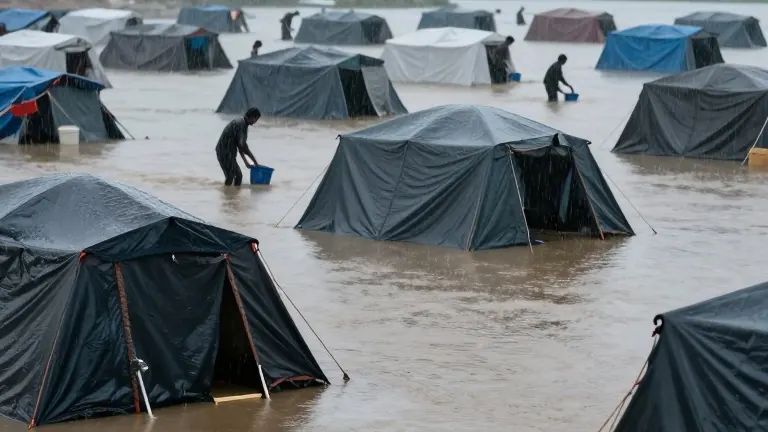
These claims trace back to a 2023 cooperation agreement between the Chihuahua state government and MASHAV, Israel's international development agency. Activists criticized the deal at the time, raising concerns about foreign involvement in water infrastructure. Magen clarified that while the agreement aimed to draw on Israeli expertise, its operational component was never signed or implemented. The issue has fueled local protests, including a large march in early August where demonstrators carried signs reading Water is for Mexicans, not for Zionists.
The dispute over school infiltration centers on social media posts claiming that Israeli soldiers were authorized to enter an indigenous school in Chiapas. Pro-Palestinian solidarity groups called for an investigation into the presence of Israelis in Zinacantán, San Cristóbal de Las Casas, and Chamula. Online testimonies and photographs show about 25 individuals identified by critics as IDF members alongside Tsotsil children during school activities. These visitors were coordinated by the Israeli nonprofit Heroes for Life, which organizes short-term humanitarian trips for recently discharged soldiers.
The individuals reportedly helped renovate and paint schools and taught classes in English, science, and music. On November 3, the Chiapas Education Department denied authorizing current or former IDF members to enter public schools in the Los Altos region. Department head Roger Adrián Mandujano Ayala told the press that a foreign organization participated in school activities, but their entry was arranged directly with parents. Magen expressed hope that his explanations will clear up misunderstandings caused by the campaign of hatred.
The ambassador concluded by noting that the campaign seeks to damage relations between the two peoples. He maintained that the allegations are part of a broader effort to delegitimize Israel's presence and influence in Mexico. The diplomatic response aims to restore clarity to the partnership and address the specific technical and social concerns raised by local stakeholders.