UNM Medieval Studies Fair Draws Local Blacksmiths and Students to Johnson Field
The fourth annual event connected university resources with Albuquerque businesses and supported three middle school field trips.
By Jenna Mitchell ·
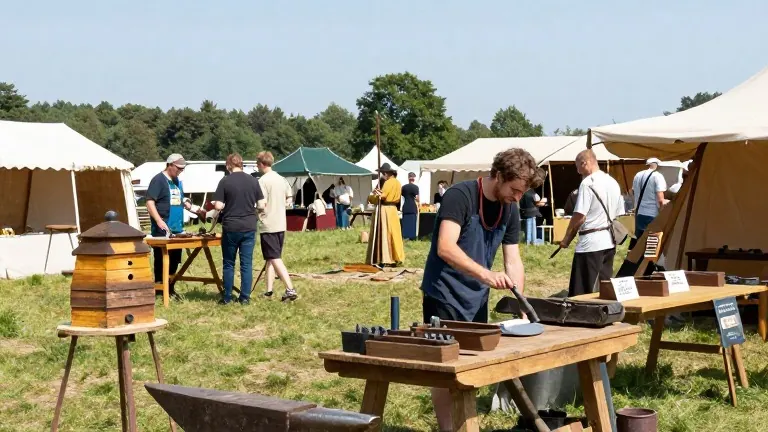
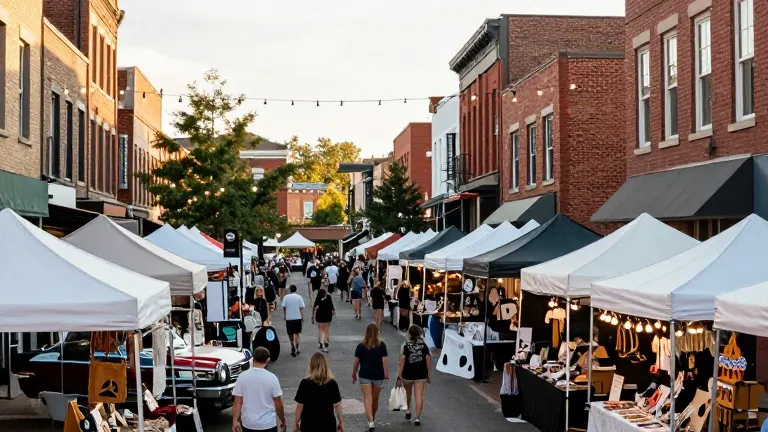
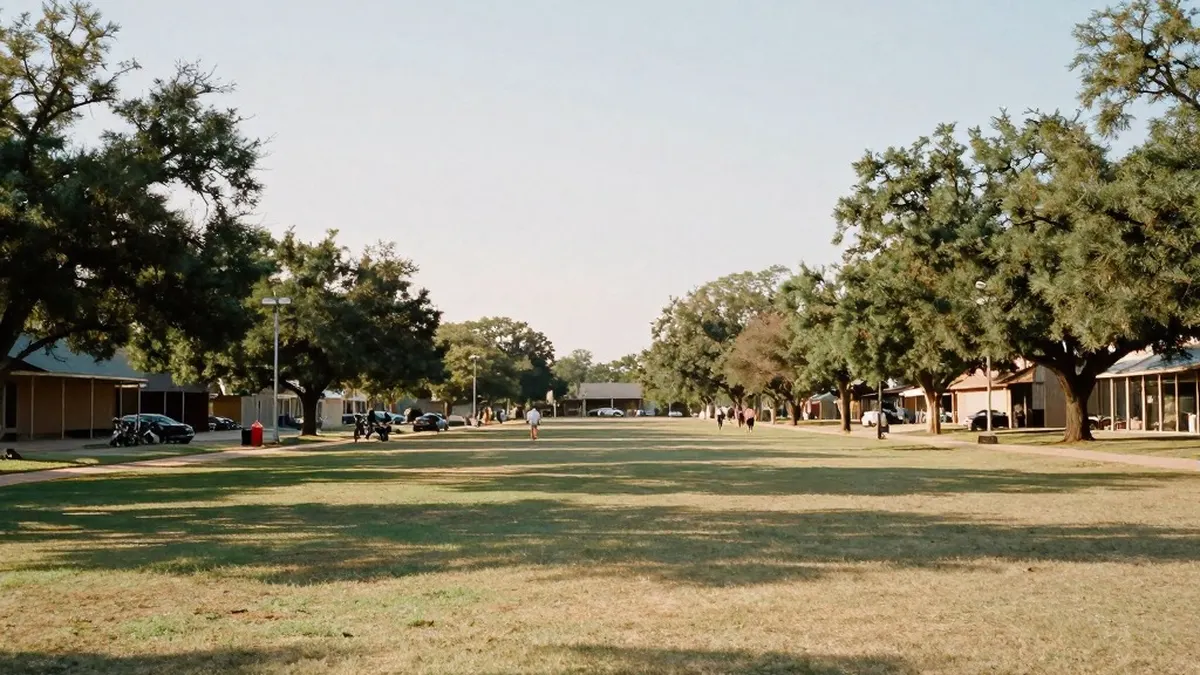
The University of New Mexico Institute for Medieval Studies student association held its fourth annual Medieval Faire on Johnson Field on Thursday, October 30. The event ran from 10 a.m. to 2 p.m. and served as a public gathering for students, faculty, and Albuquerque residents. Organizers structured the day around experiential learning and local commerce to link the academic institution with the surrounding city.
Jessie Bonafede, an IMS outreach fellow and doctoral candidate in medieval studies, coordinated the event. She noted that the association aims to increase collaboration between the university and local businesses. The fair included hands-on demonstrations where attendees observed sword fighting techniques and learned spice blending. Visitors also interacted with a working beehive and watched a local blacksmith at work.
The medieval period, spanning roughly the 5th to 15th centuries, was characterized by hierarchical social structures and Catholic Church influence. Bonafede explained that the event reflects a shift in the field of medieval studies away from a strictly European perspective. The organizers sought to integrate New Mexico’s local culture into the traditional festival format.
“We wanted to embrace this movement and think about how we can bring New Mexico and UNM into the faire and bring it home for our visitors,” Bonafede said. This approach included featuring local vendors alongside university departments. Participants included the Graduate Studies office, the National Student Exchange, the Study Abroad program, and the KIVA Club.
Local businesses also played a central role in the fair. Vendors included the Old Barrel Tea Company, Fuller Forge Creations, Albuquerque Sword Labs, and Bumble & Bug Bakery. Daniel Fuller, an active blacksmith who owns Fuller Forge Creations, provided a new partnership for this year's event. He demonstrated his tools and shared techniques with attendees.
Fuller explained the historical relevance of his trade during the medieval era. “Blacksmiths were some of the most important folks in medieval times. They performed mostly behind-the-scenes work. They made and maintained tools, such as nails and fasteners, for everyday use. They also played vital health care roles, from veterinary work, such as making horseshoes, to treating severe battlefield wounds by cauterizing them,” Fuller said.
The event marked a change in how the organizers recruit participants. For the first time, eager participants contacted Bonafede to request a spot at the fair, rather than the organizers reaching out to them. This shift indicates growing interest from the local community in the annual gathering. The team plans to work through proper channels next year to allow Fuller to use fire and work with metal on-site.
Lisa Myers, co-director of the Institute for Medieval Studies, emphasized the need to make the public part of the university's activities. “One of our most important missions is to share what UNM has to offer and what the faculty and students are doing. More importantly, we need to bring community members onto campus and make the public part of what we do here,” Myers said.
The fair supported three field trips from Albuquerque Public Schools middle schools this year. Bonafede and Myers expressed a goal to expand this partnership in future years. The event served as a platform for showcasing university resources while providing educational entertainment for the Albuquerque community.