
Trump Swaps Wiles for Miller as Chief of Staff After Midterm Losses
Stephen Miller takes over Monday, replacing Susie Wiles who served from day one, in a leadership shakeup following the Republican midterm defeat.
By Grace Sullivan ·
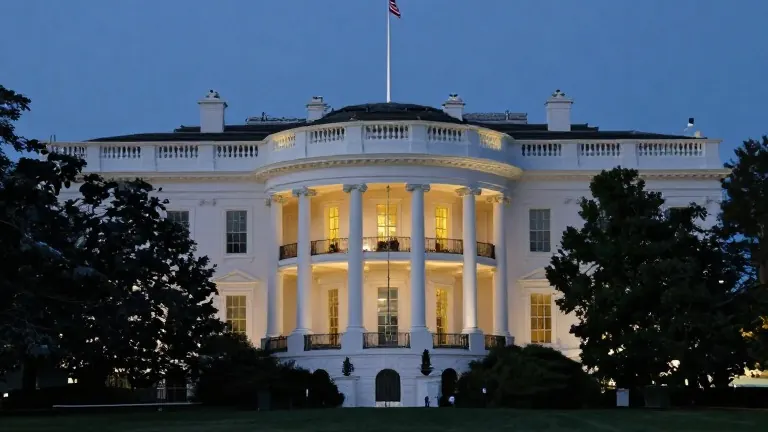
President Trump will replace White House chief of staff Susie Wiles with Stephen Miller starting Monday. The swap was announced Friday, two days after Republicans lost power in both chambers of Congress during the midterm elections. Miller, currently the deputy chief of staff and a homeland security advisor, steps into the role to manage the president's schedule and policy agenda in the new legislative climate.
Wiles has served as chief of staff since the start of Trump’s second term. She joined the administration after working on the 2020 campaign in Florida. During her tenure, she focused on reducing staff turnover and controlling press leaks, a shift from the volatility seen in the first term. In a statement posted on X, Wiles said her commitment to the mission remains unchanged. She noted her pride in accomplishments ranging from border security to tax cuts. Trump confirmed in a Truth Social post that Wiles will continue working on political operations.
Miller has been part of Trump’s inner circle since 2016. He is best known for designing aggressive immigration policies, which have been a central theme of the administration. His background includes advising on military operations in the Middle East. The change in leadership follows a midterm election where voters supported Democrats, partly due to dissatisfaction with immigration enforcement tactics. Trump characterized the move as a continuation of the team that has been with him since the beginning.
"Stephen's been with me since the beginning. He gets it," Trump told reporters Friday afternoon. The new chief of staff is expected to have increased influence over the president's daily information flow. David Cohen, a political science professor at the University of Akron, described the chief of staff as a gatekeeper for access to the president. Cohen noted that while the role is supposed to act as a neutral broker, the chief of staff often serves as the last person the president hears from before making decisions.
Wiles has kept a low media profile but previously discussed working with Trump in a profile for Vanity Fair magazine. She described the president as having "an alcoholic's personality" and said she specialized in managing such temperaments. Earlier this year, Wiles was diagnosed with breast cancer. Medical updates this fall confirmed she is cancer free. Her departure marks the end of a tenure focused on stabilizing the White House staff structure.
Miller’s appointment positions a known voice on immigration at the top of the executive branch. He has been unapologetic about the administration's strict enforcement actions, which remain popular with the president's core base. The transition will take place this coming Monday. Wiles will transition to a role focused on political operations, keeping her in the administration but removing her from the top management position.
The change reflects Trump’s desire to align his leadership team with his policy priorities following the election results. Miller’s rhetorical style and direct approach to policy issues set him apart from Wiles’ managerial focus. The White House did not provide a specific start date beyond Monday, but the announcement signals an immediate shift in internal dynamics. The new chief of staff will take over the Oval Office doorkeeper role, managing who enters the president's presence and what information reaches his desk.