Tarrant County voters decide key races as polls close in Fort Worth and Arlington
Residents across the county cast ballots Tuesday from 7 a.m. to 7 p.m. to determine the state's next governor and U.S. Senator amid a historic wave of national midterm results.
By Grace Sullivan ·
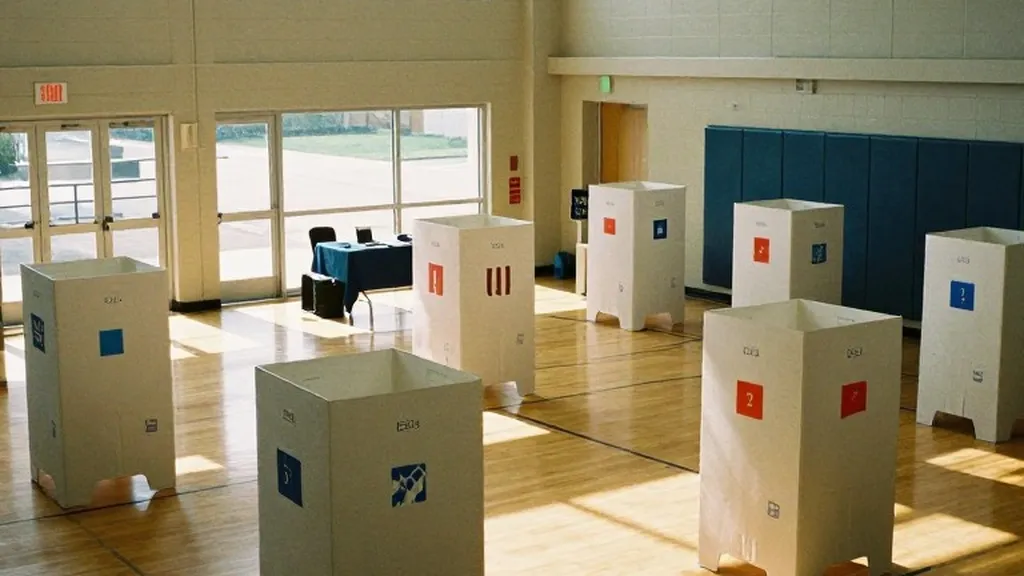
Tarrant County residents concluded their participation in the 2026 midterm elections on Tuesday, November 3, with voting hours running from 7 a.m. to 7 p.m. across all polling locations in the Central and Mountain time zones. The election covered a full slate of federal, state, and local offices that affect daily life in the region. Voters in the county's major municipalities, including Fort Worth, Arlington, Irving, Grand Prairie, Mansfield, and Flower Mound, exercised their right to cast ballots at designated sites. The general election date had been set for November 3, following the primary and runoff elections held earlier in the year. This cycle marked a significant moment for Texas politics, as voters faced a crowded ballot with multiple high-stakes races.
The most prominent race on the Texas ballot was for the office of Governor. Incumbent Greg Abbott, a Republican, sought reelection against challengers from the Democratic, Independent, and Libertarian parties. The outcome of this race will shape the administration of the state for the next four years. Tarrant County is a critical battleground in Texas politics, and the choices made by its residents contributed to the overall state result. The governor's office holds significant power over state policy, making this a focal point for voters in the Fort Worth and Arlington areas. The presence of multiple parties on the ballot reflected the diverse political landscape of the state.
Voters also decided the outcome of the open U.S. Senate seat in Texas. With no incumbent running for reelection, candidates from the Democratic, Independent, Libertarian, and Republican parties competed for the position. This race was part of a broader national trend where control of the Senate was in play. The new senator will represent Texas in the U.S. Capitol, influencing federal legislation and policy. The result in this race is a key indicator of the state's political direction in the next two years. The open nature of the seat allowed for a fresh contest that drew significant attention from both parties.
Beyond the executive and legislative races, every U.S. House seat in Texas was on the ballot. This included the districts that cover the major cities of Tarrant County. Voters in these districts chose their representatives to the U.S. House of Representatives, ensuring that local concerns are addressed at the federal level. In addition to federal offices, state and local offices were contested, including positions on the state supreme court and intermediate appellate courts. School boards and municipal government positions were also up for election, reflecting the comprehensive nature of the general election. These local races determine how services are delivered and how local funds are managed in communities like Irving and Grand Prairie.
The national picture of the 2026 midterms was characterized by historic milestones and significant shifts in political leadership. The election results revealed a wave of firsts in American politics, particularly regarding representation in the U.S. Senate. Peggy Flanagan, a Democrat and citizen of the White Earth Nation, was elected to the Senate in Minnesota, becoming the first Native American woman to serve in the chamber. This victory was part of a broader trend of increased diversity in congressional leadership. Her win was noted as a significant moment for Native American representation in the federal government.
In New Mexico, Deb Haaland was elected as the state's governor, becoming the first Native American woman to lead a U.S. state. Haaland, a citizen of the Laguna Pueblo, had previously served as the Secretary of the Interior. Her election marked a continuation of her trajectory of breaking barriers in public service. In the Navajo Nation, Crystalyne Curley was elected as the first woman president of the tribe, narrowly defeating her opponent in a race that drew national attention. These results highlighted a growing trend of women assuming top leadership roles in tribal and state governments. The victories were described by political analysts as a seismic shift in political communities.
The election also brought attention to the dynamics between the executive branch and the newly empowered Congress. President Donald Trump and his administration took a combative stance toward the Democratic victories, signaling a period of intense conflict ahead. Attorney General Todd Blanche stated that criminal investigations of Democrats are possible, echoing the president's rhetoric on social media. This stance sets the tone for the relationship between the White House and the new Congress, which now has healthy majorities in both chambers. The incoming leadership in the House, including Rep. Robert Garcia, who is poised to chair the Oversight Committee, has pledged to pursue aggressive investigations into the executive branch.
Local officials in Tarrant County emphasized the importance of the results in shaping the immediate future of the region. The combination of state and federal outcomes will influence funding, policy, and administrative priorities for the county. The election of new leaders in both parties indicates a period of transition and potential change in legislative agendas. Voters in the county participated in a process that determined not only who leads the state but also who represents the region in Washington, D.C. The final results underscored the high level of engagement and interest in this cycle of elections.
The election process in Texas is managed with specific timelines and rules that ensure orderly participation. The general election on November 3 was the final step in a cycle that began with the primary in March and the runoff in May. The inclusion of local ballot measures and municipal elections in the general election date allowed voters to address multiple issues in a single visit to the polls. This efficiency is designed to maximize turnout and provide a clear mandate for the elected officials. The results of these elections will be implemented as the new terms begin, bringing a fresh cohort of leaders to serve the people of Tarrant County and the state of Texas.