Mashhad Gold Traders: Lion and Sun Jewelry Now Banned
Local dealers in Iran's second-largest city have been ordered to remove the historic emblem from inventory following a year of nationwide unrest.
By Ethan Cooper ·
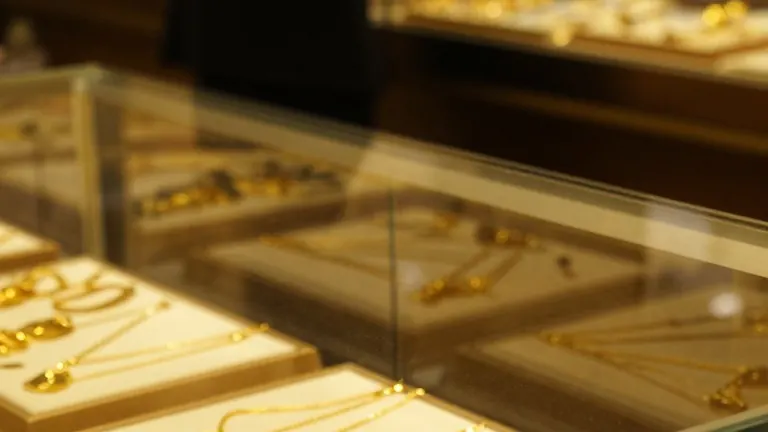
Iran's second-largest city is tightening its grip on a symbol that has defined the nation's identity for centuries. The move targets gold jewelry and coins bearing the Lion and Sun emblem.
The Mashhad Gold, Jewelry, Silver and Coin Dealers' Union issued a directive on Monday. It orders shopkeepers to stop displaying or selling items with the historic symbol. The instruction came from the police department responsible for supervising public establishments.
The ban covers bracelets, pendants, and commemorative coins. Shopkeepers must inspect their inventories and displays immediately. The union warned that violations will be handled under existing regulations. This specific prohibition applies to Mashhad, a major religious center for Shi'ite Islam.
The Lion and Sun appeared on Iran's national flag for generations. It became a major symbol during the Safavid period, which ruled from the early 16th century. The emblem survived the Qajar dynasty and the Pahlavi rule established in 1925. It remained a familiar state symbol until the Islamic Revolution in 1979.
Ayatollah Ruhollah Khomeini returned to Iran in February 1979. On March 1 of that year, he spoke in Qom and demanded the removal of royal insignia. He described the Lion and Sun as manhus, or accursed. Khomeini declared that the accursed Lion and Sun must be removed from all ministries and offices. The symbol was subsequently replaced on the national flag.
For the past 47 years, the emblem has remained available in bazaars and jewelry shops despite the government's hostility. Iranians have continued to purchase the symbol in private markets. The selective enforcement has characterized the regime's approach to public expression. Tolerance has depended on the authorities' view of the symbol as a political threat.
The emblem reappeared prominently during protests that began in December 2025. Demonstrators carried flags with the Lion and Sun in cities around the world. The symbol became associated with supporters of exiled Crown Prince Reza Pahlavi. In January, a protester climbed onto the balcony of the Iranian Embassy in London. They briefly replaced the Islamic Republic's flag with the Lion and Sun.
Security forces have shown hostility toward the symbol in recent crackdowns. An investigation by Iran International documented allegations that officers tortured protesters bearing nationalist tattoos. Majidreza Rahnavard was executed in Mashhad in December 2022. Reports stated that security personnel beat his arm, which bore a Lion and Sun tattoo. The investigation also detailed allegations that forces mutilated the tattooed skin of detainees during this year's crackdown.
Ali-Akbar Salehi, Iran's former foreign minister, claimed in February that the symbol belongs to the Islamic Republic. Speaking at a conference on Iranian foreign policy, he argued the emblem is rooted in Islamic heritage. He objected to its use by others, stating that the Lion and Sun symbol belongs to the Islamic Republic, but others are using it. Nine months later, the authorities in Mashhad issued the prohibition on selling jewelry with the same emblem.