Markets react to Democratic midterms
Oil prices fell and tech stocks dropped as investors weighed the impact of changed congressional control on trade and war policy.
By Grace Sullivan ·

United States Democratic candidates captured key seats in the midterm elections, shifting legislative power away from President Donald Trump. This change altered expectations for foreign policy and economic management. Global markets responded immediately to the new political balance.
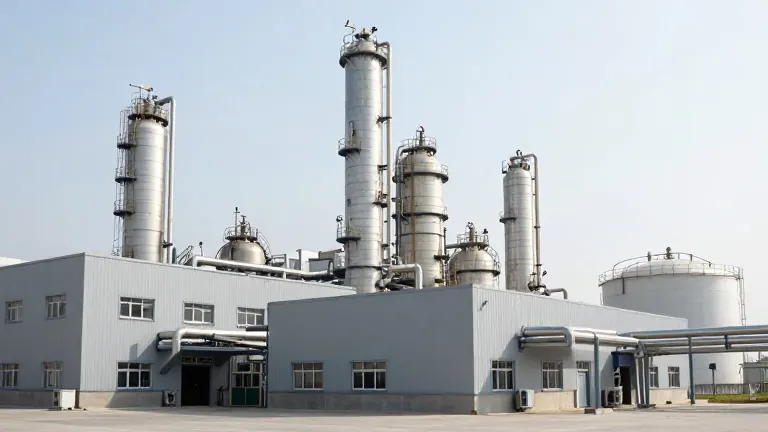
Oil prices declined for the third consecutive day following the election. Traders priced in a higher probability of renewed peace talks between Washington and Tehran. Ole Hansen, an analyst at Saxo Bank, stated that the market appears to be betting the President wishes to conclude the Middle East conflict. The Iran war had previously constrained supplies of crude oil and liquefied natural gas from the Gulf, raising costs for consumers worldwide.
Gulf officials believe Trump now has a stronger incentive to seek a peace deal. Sources familiar with these perspectives indicated that the likelihood of another full-scale military assault on Iran is lower following the elections. Many American voters cited fatigue with the conflict and higher fuel prices as primary concerns during the campaign.
The electoral outcome may also influence Iranian strategy. Ebtesam al-Ketbi of the Emirates Policy Center noted that Tehran could use the moment to present a genuine agreement. Conversely, if Iran interprets the result as a sign of weakness, it might invite a new phase of military escalation. Israel faces increased scrutiny of its operations in Iran, Gaza, and Lebanon under a Democratic-controlled legislature. This shift potentially threatens long-standing US military aid and weapons sales to the region.
Democratic legislators are preparing to challenge other executive policies. Representative Gregory Meeks of New York introduced bipartisan legislation to block the return of Russian diesel to the global market. In Ukraine, the change in congressional leadership allows Democrats to propose new financial and military aid packages. Trump has largely halted direct US support but maintained pressure through sanctions waivers on Russian energy.
Analysts warn that any increase in aid is unlikely to arrive quickly enough to address Ukraine’s immediate deficit of Patriot air defense interceptors. These systems are needed to protect energy infrastructure this winter. The Kremlin stated its hope that the election results would not impact Trump’s peacemaking efforts. US negotiators continue to pressure Ukraine for concessions in trilateral talks.
Global trade dynamics are shifting as Asian countries may feel emboldened to slow their investment pledges designed to avoid US tariffs. China may perceive a competitive advantage in ongoing negotiations. Chim Lee of the Economist Intelligence Unit expects US-China relations to maintain a state of fragile stability. For India, the results could provide relief in trade negotiations. Anup Wadhawan noted that Trump’s capacity to impose arbitrary tariffs faces greater challenges without a friendly Congress.
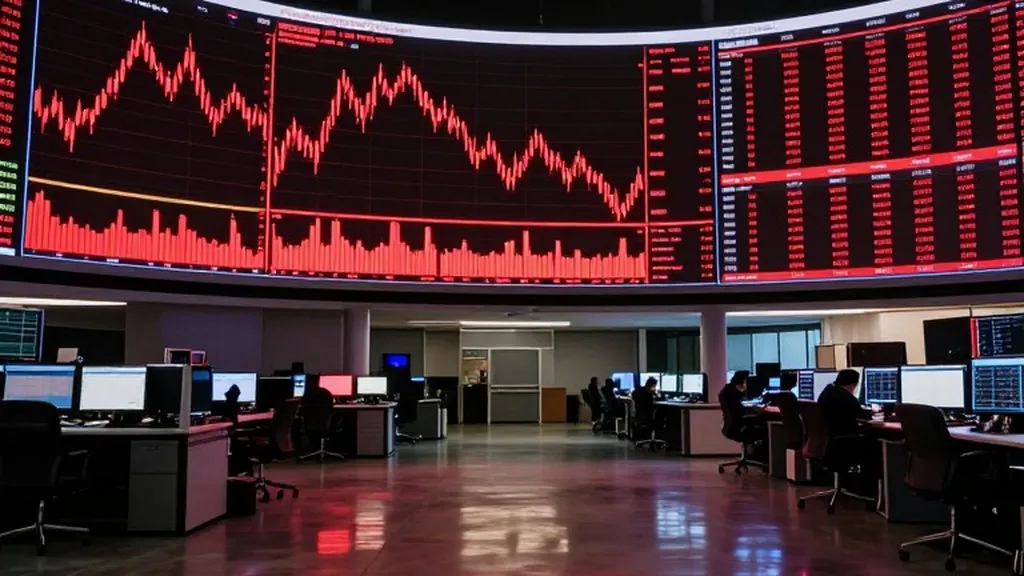
The technology sector felt the impact of voter concerns over the rapid expansion of artificial intelligence data centers. Shares of major Asian chip manufacturers, including TSMC, Samsung Electronics, SK Hynix, and Kioxia, declined. Jake Dollarhide of Longbow Asset Management suggested that a Democratic sweep of Congress could bring regulatory pressure to the AI industry, potentially slowing its growth.
Pre-market trading in the US showed similar trends for data center operators. Shares of Applied Digital, TeraWulf, Core Scientific, and Iren fell. The results have raised questions about whether Trump will enforce immediate threats, such as a 100 percent tariff on European countries imposing digital services taxes. Investors are also watching how a loan to Airbus will affect the transatlantic trade truce established in 2025.
More Business · World news · Bad Service · Report a business · Got a Story?