DOJ Deploys Over 1,000 Election Monitors Nationwide for November 3
Federal observers will visit Cass County, North Dakota, as part of a major expansion of the Department of Justice's election monitoring program compared to the 2022 midterms.
By Luis Medina ·
More than 1,000 federal election monitors will observe polling locations across all 50 states on Tuesday, Nov. 3, according to the U.S. Department of Justice. This represents a substantial expansion from the 2022 midterms, when observers were deployed to only 64 jurisdictions in 24 states.
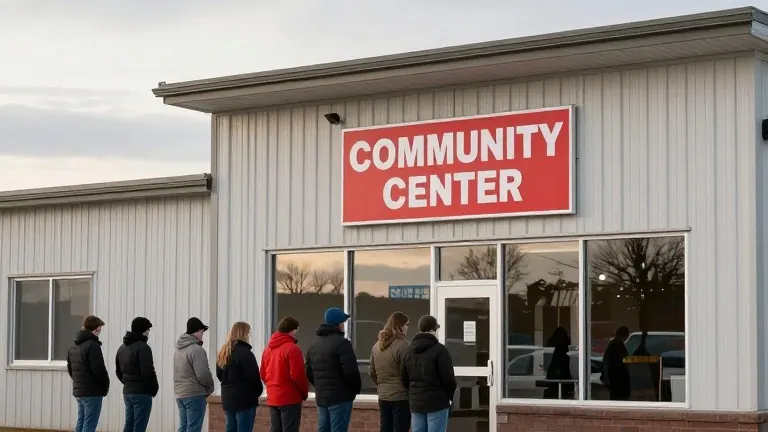
In North Dakota, the Department of Justice will send a small group of monitors to Cass County, the state's most populous jurisdiction. Sarah Heinle, the head election official for Cass County, confirmed the deployment after a conference call with DOJ officials on Friday, Oct. 30. Cass County, which includes the cities of Fargo and West Fargo, accounted for approximately 22% of the state's voters in the 2022 election.
The federal observers are scheduled to visit up to seven polling locations in the county. Heinle stated that monitors will spend about one hour at each site. Their primary goal is to verify compliance with federal election law, with specific attention to express voting options and the provision of assistance to voters who request it.
Heinle emphasized that the process would follow standard state rules. "They will be following standard election observer laws and rules for North Dakota just like anybody else going there," she said. She noted that the presence would be similar to other groups that routinely monitor polls, such as the ACLU or the League of Women Voters.
North Dakota Secretary of State Michael Howe also participated in the Friday call with DOJ officials. Howe stated that he felt comfortable with the department's objectives after asking detailed questions about their procedures. "We had a lot of questions as to what are they going to be doing, and I feel comfortable with what they are trying to achieve," Howe said. He added that the DOJ made it clear the monitors would not interrupt the voting process.
Howe reported that DOJ officials were informed of the state rule prohibiting interaction with voters within 100 feet of a polling location. The department expressed interest in understanding the "voter experience," particularly in cases where individuals might be turned away. Howe noted that the monitors will wear the same observer stickers as other recognized election monitors and that the DOJ aims to be "as unobtrusive as possible."
Local organizations are also deploying their own observers. The Native American Rights Fund, a Colorado-based nonprofit, will send 18 observers to nine locations in North Dakota. Jacqueline De León, the organization's senior staff attorney, said the group is focusing on areas with significant Native American populations. The monitors will track the smooth administration of elections and document whether voters can use tribal IDs or are traveling long distances to cast ballots.
The League of Women Voters of North Dakota will also have observers at polling sites on Election Day. In contrast, the American Civil Liberties Union of North Dakota will not station its own observers at the polls. Cody Schuler, the advocacy manager for the local ACLU, stated that the organization works collaboratively with the League of Women Voters to respond to election complaints.