15 fake surveys fooled major news outlets
The New York Times removed 15 fabricated polls from its tracker after Wedgewood Polls admitted to faking results in five battleground states.
By Luis Medina ·
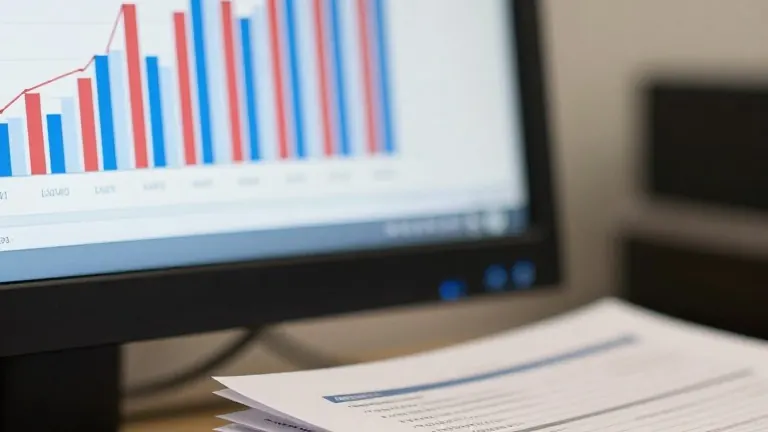
The New York Times has removed 15 fabricated polls from its tracking system after a firm named Wedgewood Polls admitted to faking the results. The false data covered five battleground states, including Texas, Ohio, Michigan, Kansas, and Maine. The company described the effort as an experimental project meant to test the ease with which fake data gains credibility.
Wedgewood launched in June and released surveys that attracted attention from political campaigns and data aggregators. The New York Times stated that the firm answered standard questions about its personnel and methodology before inclusion. However, the paper clarified that these surveys were not part of its presidential approval or national congressional averages. The inclusion in the tracker was enough to validate the data in the eyes of many observers.
FiftyPlusOne, a polling and forecasting website, investigated the firm after noticing inconsistencies in raw data and technical identifiers. Data journalist G Elliott Morris, who participated in the probe, said the group is using a social experiment as an excuse to cover up fraud. Morris noted that the firm was already under investigation for faking data before it publicly admitted to the scheme.
The incident is the second major fake poll scandal in the 2026 election cycle. In August, another group, Median Strategies, acknowledged that it had faked results for a short-term social experiment. Mallory McMorrow, a candidate in Michigan’s Democratic Senate primary, cited a Wedgewood survey showing her support in the single digits as a primary reason for suspending her campaign. She stated that the poll demoralized volunteers and caused donors to shift their funding to other races.
President Donald Trump used the revelation to criticize the New York Times, claiming the newspaper got caught using artificial data. He suggested the case would strengthen his $15 billion defamation lawsuit against the paper. The University of Washington’s Center for an Informed Public tracked social media reactions and found that partisan accounts quickly framed the story as proof that polls favoring Democrats were untrustworthy. This narrative spread within 24 hours of the admission.
No US law specifically criminalizes fake polls, though some scholars argue they constitute wire fraud. Brendan Carr, the head of the Federal Communications Commission, warned broadcasters that amplifying fake polls could lead to license issues. Anna Gomez, the FCC’s sole Democratic commissioner, disagreed, arguing that stations reporting publicly available data in good faith should not be punished. Mark Baldassare, survey director at the Public Policy Institute of California, advised voters to look for transparency in mission statements and funding sources to spot credible surveys.
The next step involves the media and voters evaluating the quality of election data themselves. Experts suggest that without clear legal remedies, the burden of verification falls on those consuming the information.